
Amaranth Leaves Nutrition Facts: Calories, Macros & Health Benefits
Summary: 100g of amaranth leaves contains 23 calories, 2.5g protein, 4g carbs, and 0.3g fat. Amaranth Leaves are a good source of essential vitamins and minerals.
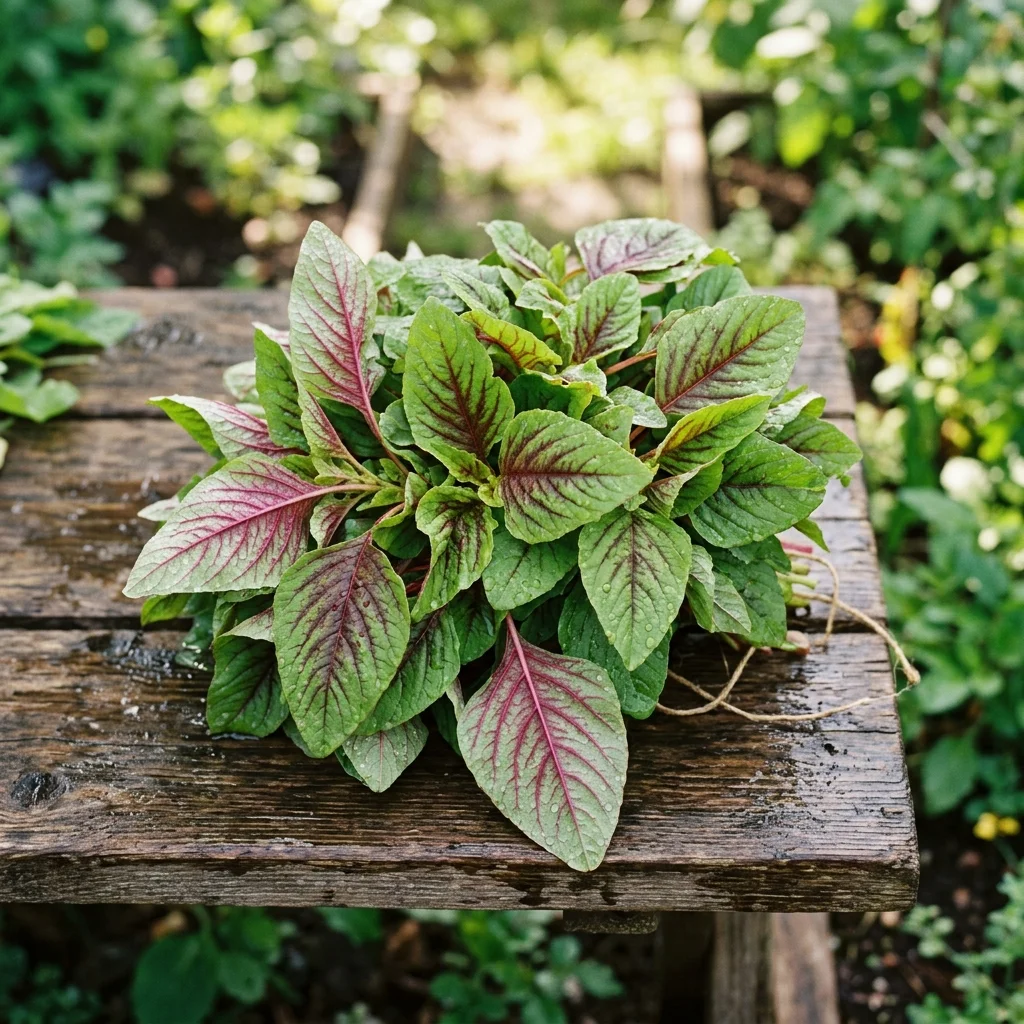
Nutrition Facts — per 100g
| Nutrient | Amount | % Daily Value |
|---|---|---|
| Calories | 23 kcal | 1% |
| Protein | 2.5g | 5% |
| Carbohydrates | 4.0g | 1% |
| Total Fat | 0.30g | 0% |
| Fiber | 2.1g | 8% |
| Sodium | 20.0mg | 1% |
Are Amaranth Leaves Good for You?
Yes, Amaranth Leaves are a nutrient-dense leafy green worth adding to your diet. They provide 2.5g of protein and 2.1g of fiber per 100g serving (8% Daily Value), along with minimal calories at just 23 kcal. Their low sodium content and high nutrient density make them an excellent choice for supporting overall wellness.
Key Health Benefits of Amaranth Leaves
High in Fiber for Digestive Health — With 2.1g of fiber per 100g, Amaranth Leaves support healthy digestion and help maintain stable blood sugar levels. This fiber content represents 8% of your daily recommended intake in a small serving.
Plant-Based Protein Source — They contain 2.5g of protein per 100g, making them a valuable addition to vegetarian and vegan diets. This protein contributes to muscle maintenance and satiety without adding significant calories.
Extremely Low in Calories and Fat — At just 23 calories and 0.3g of fat per 100g, Amaranth Leaves are an ideal food for calorie-conscious eating. You can consume generous portions without concerns about energy density.
Minimal Sodium Content — Each 100g serving contains only 20mg of sodium (1% Daily Value), making them heart-healthy and suitable for those monitoring salt intake. This makes them a better choice than many processed leafy greens.
Nutrient-Dense Whole Food — Amaranth Leaves deliver multiple nutrients in a low-calorie package, supporting overall nutritional balance. Their carbohydrate content of 4g per 100g provides steady energy without excess.
How Does Amaranth Leaves Compare?
Compared to spinach, Amaranth Leaves offer comparable protein levels while being equally low in calories and fat. What sets them apart is their slightly higher fiber content and traditional use in many African, Caribbean, and Asian cuisines, making them a culturally significant alternative to more common Western leafy greens.
Frequently Asked Questions
How many calories are in amaranth leaves?
Amaranth Leaves contain 23 calories per 100g, making them one of the lowest-calorie vegetables you can eat. A typical serving of one cup of raw leaves would provide approximately 5-7 calories, depending on how densely packed the leaves are.
Are amaranth leaves good for weight loss?
Yes, Amaranth Leaves are excellent for weight loss due to their combination of low calories (23 kcal per 100g), high fiber (2.1g), and modest protein (2.5g). You can eat substantial portions while staying within your calorie goals and feeling satisfied longer.
What vitamins and minerals do amaranth leaves contain?
While this nutrition panel focuses on macronutrients, Amaranth Leaves are also rich in micronutrients including calcium, iron, and magnesium — minerals important for bone health and energy production. They’re particularly valued in traditional medicine for their mineral density.
Are amaranth leaves keto-friendly?
Amaranth Leaves are keto-friendly, with only 4g of carbohydrates per 100g and 2.1g of fiber, resulting in just 1.9g net carbs. Their high water content and minimal fat profile make them an ideal non-starchy vegetable for ketogenic diets.
How should I store and cook amaranth leaves?
Store fresh Amaranth Leaves in the refrigerator in a sealed container or plastic bag for up to 5 days. They can be eaten raw in salads, lightly sautéed with garlic, or added to soups and stews — cooking them slightly reduces bitterness and increases nutrient bioavailability.
How to Track Amaranth Leaves Nutrition with Gram
Logging Amaranth Leaves in the Gram app is simple — just search the food name and select your portion size to instantly see the complete nutrient breakdown. Gram’s AI food scanner can even recognize Amaranth Leaves from a photo, making it faster to track exactly what you’re eating and monitor your daily nutritional targets.
Frequently Asked Questions
How many calories are in amaranth leaves?
Amaranth Leaves contain 23 calories per 100g, making them one of the lowest-calorie vegetables you can eat. A typical serving of one cup of raw leaves would provide approximately 5-7 calories, depending on how densely packed the leaves are.
Are amaranth leaves good for weight loss?
Yes, Amaranth Leaves are excellent for weight loss due to their combination of low calories (23 kcal per 100g), high fiber (2.1g), and modest protein (2.5g). You can eat substantial portions while staying within your calorie goals and feeling satisfied longer.
What vitamins and minerals do amaranth leaves contain?
While this nutrition panel focuses on macronutrients, Amaranth Leaves are also rich in micronutrients including calcium, iron, and magnesium — minerals important for bone health and energy production. They're particularly valued in traditional medicine for their mineral density.
Are amaranth leaves keto-friendly?
Amaranth Leaves are keto-friendly, with only 4g of carbohydrates per 100g and 2.1g of fiber, resulting in just 1.9g net carbs. Their high water content and minimal fat profile make them an ideal non-starchy vegetable for ketogenic diets.
How should I store and cook amaranth leaves?
Store fresh Amaranth Leaves in the refrigerator in a sealed container or plastic bag for up to 5 days. They can be eaten raw in salads, lightly sautéed with garlic, or added to soups and stews — cooking them slightly reduces bitterness and increases nutrient bioavailability.

Track your nutrition with Gram
Snap a photo of your meal and let AI do the rest. Track calories, macros, and micronutrients effortlessly.
Nutrition data sourced from USDA FoodData Central. Track amaranth leaves and thousands of other foods with the Gram app.