
Banana Nutrition Facts: Calories, Macros & Health Benefits
Summary: 100g of banana contains 89 calories, 1.1g protein, 22.8g carbs, and 0.3g fat. Banana is a good source of essential vitamins and minerals.
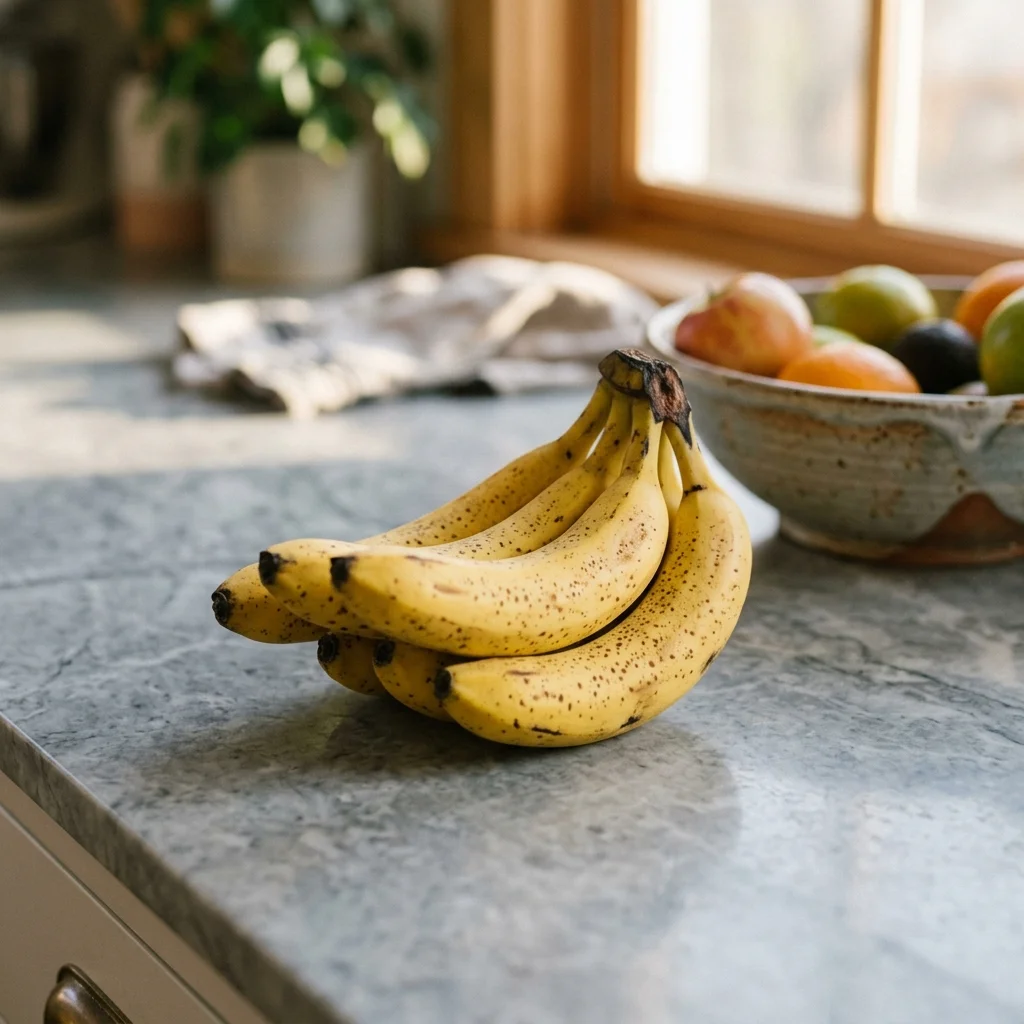
Nutrition Facts — per 100g
| Nutrient | Amount | % Daily Value |
|---|---|---|
| Calories | 89 kcal | 4% |
| Protein | 1.1g | 2% |
| Carbohydrates | 22.8g | 8% |
| Total Fat | 0.30g | 0% |
| Fiber | 2.6g | 9% |
| Sodium | 1.0mg | 0% |
Is Banana Good for You?
Yes, banana is an excellent nutritious fruit. Per 100g, it supplies 2.6g of fiber (9% Daily Value) for digestive health, 22.8g of carbohydrates (8% DV) for energy, and contains virtually no fat or sodium. Its low calorie density at 89 kcal per 100g makes it a nutrient-dense choice for most diets.
Key Health Benefits of Banana
Rich in dietary fiber: Banana contains 2.6g of fiber per 100g, supporting digestive regularity and promoting satiety, which helps you feel fuller longer after eating.
Natural energy source: With 22.8g of carbohydrates per 100g serving, it is an ideal pre- or post-workout snack that replenishes glycogen stores without excess calories.
Heart-healthy composition: It is virtually free of sodium (1mg per 100g) and contains minimal fat at just 0.3g, making it supportive of cardiovascular health when part of a balanced diet.
Low in calories: At only 89 kcal per 100g, banana is a nutrient-dense fruit that fits easily into calorie-conscious meal plans without requiring careful portioning.
Modest protein content: Though not a protein powerhouse at 1.1g per 100g, it pairs well with protein-rich foods like yogurt or nut butter to create balanced snacks.
How Does Banana Compare?
Banana stands out compared to other tropical fruits like mango, offering comparable calories (89 kcal vs. 60 kcal per 100g) but delivering significantly more fiber at 2.6g versus mango’s 1.6g. Its carbohydrate profile makes it particularly suited for active individuals seeking sustained energy release, while its minimal fat and sodium content aligns well with heart-health recommendations.
Frequently Asked Questions
How many calories is in banana?
A 100g serving of banana contains 89 calories. A medium banana (about 118g) provides roughly 105 calories, making it a relatively low-calorie snack option.
Is banana good for weight loss?
Yes, banana can support weight loss efforts. It is high in fiber (2.6g per 100g), which promotes satiety and reduces overall calorie intake, and its low fat content makes it a nutrient-dense choice that doesn’t derail calorie goals.
Does banana have potassium?
While our data doesn’t include potassium breakdown, banana is widely recognized as an excellent source of this mineral, which supports heart function and muscle contractions—though the amount varies by ripeness and size.
Is banana keto-friendly?
Banana is not ideal for strict keto diets due to its 22.8g carbohydrate content per 100g, which can quickly exceed the typical 20-50g daily carb limit. Those following keto should consume it sparingly or avoid it entirely.
How should I store banana to keep it fresh?
Store banana at room temperature until it reaches your desired ripeness, then refrigerate to slow browning—the peel will darken, but the fruit inside remains fresh. For longer storage, peel and freeze banana slices for smoothies or baking.
How to Track Banana Nutrition with Gram
With the Gram app, logging banana is as simple as snapping a photo—our AI food scanner instantly recognizes the fruit and displays the complete nutrient breakdown per your serving size. This makes it effortless to monitor your daily carbohydrate, fiber, and calorie intake while maintaining accurate nutrition records for your health goals.
Frequently Asked Questions
How many calories is in banana?
A 100g serving of banana contains 89 calories. A medium banana (about 118g) provides roughly 105 calories, making it a relatively low-calorie snack option.
Is banana good for weight loss?
Yes, banana can support weight loss efforts. It is high in fiber (2.6g per 100g), which promotes satiety and reduces overall calorie intake, and its low fat content makes it a nutrient-dense choice that doesn't derail calorie goals.
Does banana have potassium?
While our data doesn't include potassium breakdown, banana is widely recognized as an excellent source of this mineral, which supports heart function and muscle contractions—though the amount varies by ripeness and size.
Is banana keto-friendly?
Banana is not ideal for strict keto diets due to its 22.8g carbohydrate content per 100g, which can quickly exceed the typical 20-50g daily carb limit. Those following keto should consume it sparingly or avoid it entirely.
How should I store banana to keep it fresh?
Store banana at room temperature until it reaches your desired ripeness, then refrigerate to slow browning—the peel will darken, but the fruit inside remains fresh. For longer storage, peel and freeze banana slices for smoothies or baking.

Track your nutrition with Gram
Snap a photo of your meal and let AI do the rest. Track calories, macros, and micronutrients effortlessly.
Nutrition data sourced from USDA FoodData Central. Track banana and thousands of other foods with the Gram app.