
Gobi Manchurian Nutrition Facts: Calories, Macros & Health Benefits
Summary: 100g of gobi manchurian contains 190 calories, 4.5g protein, 24g carbs, and 8g fat. Gobi Manchurian is a good source of sodium.
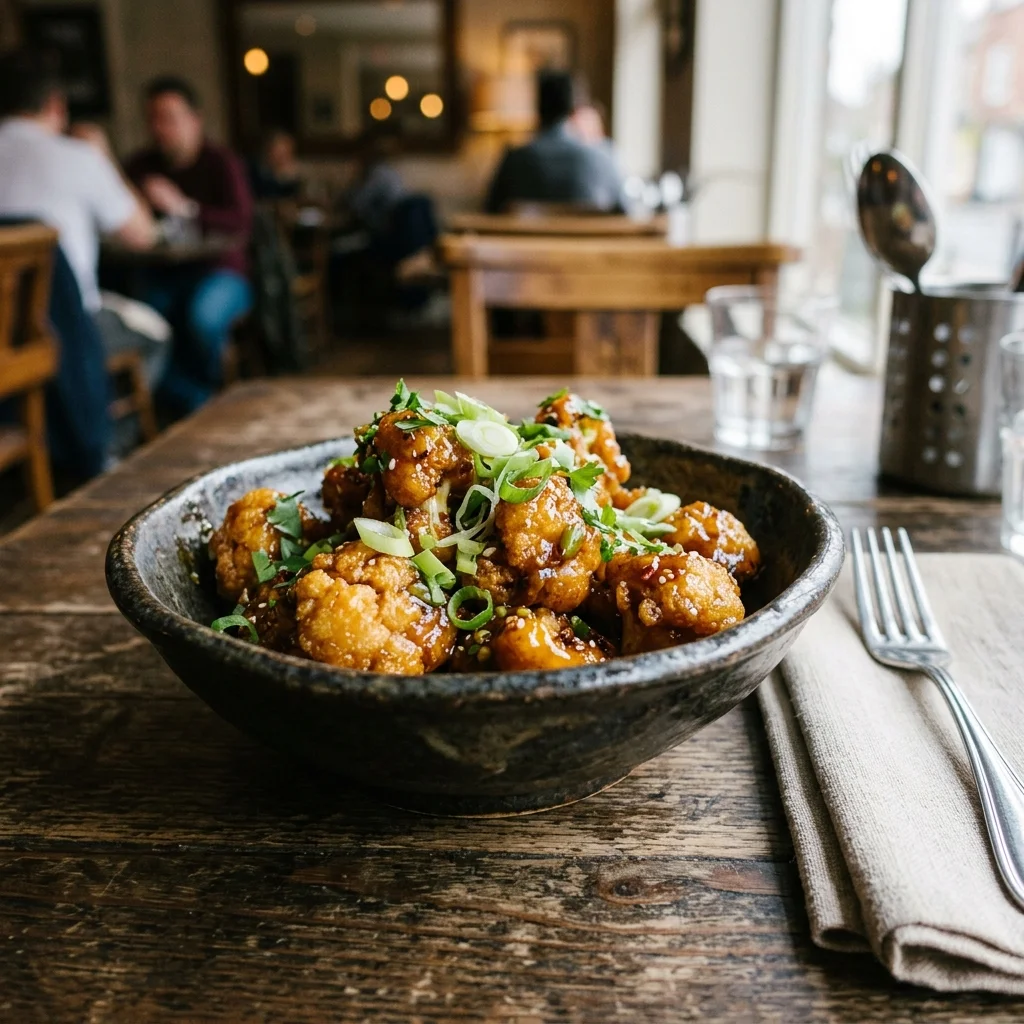
Nutrition Facts — per 100g
| Nutrient | Amount | % Daily Value |
|---|---|---|
| Calories | 190 kcal | 10% |
| Protein | 4.5g | 9% |
| Carbohydrates | 24.0g | 9% |
| Total Fat | 8.0g | 10% |
| Fiber | 3.2g | 11% |
| Sodium | 520.0mg | 23% |
Is Gobi Manchurian Good for You?
Gobi Manchurian is a moderately nutritious dish that provides decent fiber and protein in a relatively light calorie package. Each 100g serving delivers 3.2g of fiber (11% Daily Value) and 4.5g of protein (9% Daily Value), making it suitable for balanced meals. However, its sodium content of 520mg per 100g represents 23% of your daily limit, so portion control matters if you’re watching salt intake.
Key Health Benefits of Gobi Manchurian
Fiber-Rich for Digestive Health — With 3.2g of fiber per 100g serving, Gobi Manchurian supports healthy digestion and helps maintain stable blood sugar levels. This fiber content represents 11% of your daily recommended intake.
Lean Protein Source — The 4.5g of protein per serving makes it a lightweight option for muscle maintenance and satiety. While not a high-protein food, it contributes meaningfully to daily protein needs without excess calories.
Reasonable Calorie Profile — At 190 calories per 100g (10% of a 2,000-calorie diet), it is an approachable choice for those managing their caloric intake. This moderate calorie density allows flexibility in portion sizing within a balanced meal plan.
Vegetable-Based Nutrition — Since Gobi Manchurian centers on cauliflower, it is naturally nutrient-dense and low in calories while delivering vitamins and minerals from the vegetable base. You get satisfaction from whole food nutrition rather than empty calories.
Lower Fat Contribution — At 8g of total fat per 100g, it is relatively modest in fat content, especially considering the savory, rich flavor profile typical of this dish.
How Does Gobi Manchurian Compare?
Gobi Manchurian stands out compared to similar Indo-Chinese vegetable dishes like Hakka noodles or fried rice because it is significantly lower in calories and carbohydrates while maintaining comparable or higher fiber content. The cauliflower base gives it an edge in micronutrient density, though its sodium level runs moderately high—a trade-off common to most restaurant-style Asian preparations.
Frequently Asked Questions
How many calories is in Gobi Manchurian?
A 100g serving of Gobi Manchurian contains 190 calories, which represents about 10% of a standard 2,000-calorie daily diet. A typical restaurant portion (150-200g) would deliver 285-380 calories depending on preparation and sauce thickness.
Is Gobi Manchurian good for weight loss?
Gobi Manchurian can fit into a weight loss plan thanks to its moderate calorie density and high fiber content, which promotes fullness. The key is portion control and pairing it with lighter sides, while being mindful of its 23% Daily Value sodium content per 100g.
How much sodium does Gobi Manchurian have?
Each 100g serving contains 520mg of sodium, which equals 23% of your daily recommended limit. If you’re tracking sodium for heart health or blood pressure management, this is an important consideration—you may want to balance it with lower-sodium foods in other meals.
Can I eat Gobi Manchurian on a keto diet?
Gobi Manchurian is not ideal for strict keto diets because it is relatively high in carbohydrates at 24g per 100g serving. However, it is possible to include small portions (50g or less) if you carefully manage your daily carb allowance and pair it with high-fat, low-carb sides.
How should I store leftover Gobi Manchurian?
Store leftover Gobi Manchurian in an airtight container in the refrigerator for up to 3 days. You can reheat it gently on the stovetop or microwave, though note that the cauliflower may soften further and the sauce may thicken as it sits.
How to Track Gobi Manchurian Nutrition with Gram
The Gram app makes logging Gobi Manchurian effortless—simply scan the dish with your phone’s camera using our AI food recognition, and it automatically pulls the complete nutritional breakdown including calories, protein, fiber, and sodium. You’ll see exactly how each serving fits into your daily targets, plus get personalized insights on whether it aligns with your health goals.
Frequently Asked Questions
How many calories is in Gobi Manchurian?
A 100g serving of Gobi Manchurian contains 190 calories, which represents about 10% of a standard 2,000-calorie daily diet. A typical restaurant portion (150-200g) would deliver 285-380 calories depending on preparation and sauce thickness.
Is Gobi Manchurian good for weight loss?
Gobi Manchurian can fit into a weight loss plan thanks to its moderate calorie density and high fiber content, which promotes fullness. The key is portion control and pairing it with lighter sides, while being mindful of its 23% Daily Value sodium content per 100g.
How much sodium does Gobi Manchurian have?
Each 100g serving contains 520mg of sodium, which equals 23% of your daily recommended limit. If you're tracking sodium for heart health or blood pressure management, this is an important consideration—you may want to balance it with lower-sodium foods in other meals.
Can I eat Gobi Manchurian on a keto diet?
Gobi Manchurian is not ideal for strict keto diets because it is relatively high in carbohydrates at 24g per 100g serving. However, it is possible to include small portions (50g or less) if you carefully manage your daily carb allowance and pair it with high-fat, low-carb sides.
How should I store leftover Gobi Manchurian?
Store leftover Gobi Manchurian in an airtight container in the refrigerator for up to 3 days. You can reheat it gently on the stovetop or microwave, though note that the cauliflower may soften further and the sauce may thicken as it sits.
Track your nutrition with Gram
Snap a photo of your meal and let AI do the rest. Track calories, macros, and micronutrients effortlessly.
Nutrition data sourced from USDA FoodData Central. Track gobi manchurian and thousands of other foods with the Gram app.