
Leafy Greens Nutrition Facts: Calories, Macros & Health Benefits
Summary: 100g of leafy greens contains 23 calories, 2.9g protein, 3.6g carbs, and 0.4g fat. Leafy Greens are a good source of essential vitamins and minerals.
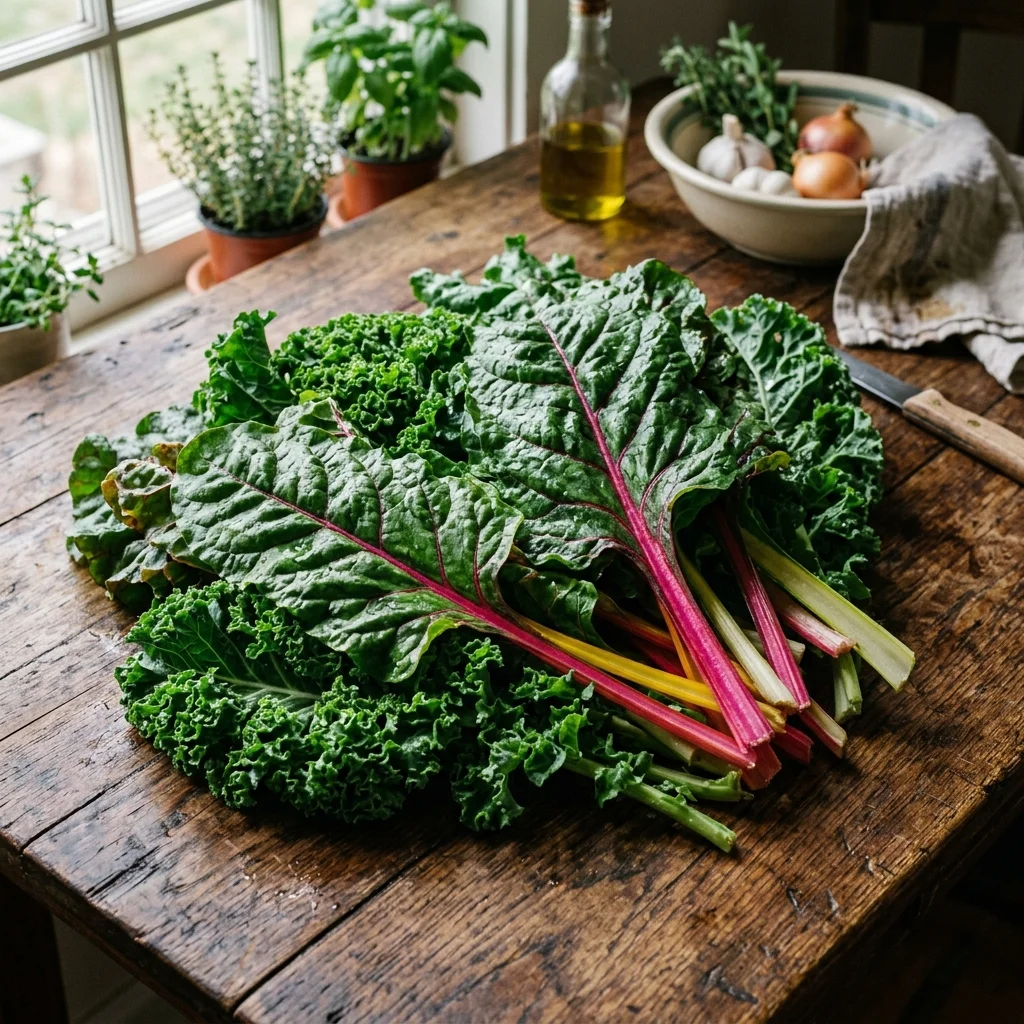
Nutrition Facts — per 100g
| Nutrient | Amount | % Daily Value |
|---|---|---|
| Calories | 23 kcal | 1% |
| Protein | 2.9g | 6% |
| Carbohydrates | 3.6g | 1% |
| Total Fat | 0.40g | 1% |
| Fiber | 2.2g | 8% |
| Sodium | 79.0mg | 3% |
Are Leafy Greens Good for You?
Yes, leafy greens are excellent for your health. A 100-gram serving contains just 23 calories while delivering 2.2g of fiber (8% Daily Value), 2.9g of protein (6% Daily Value), and essential micronutrients. They’re nutrient-dense foods that support digestive health, muscle function, and overall wellness without contributing significantly to daily calorie intake.
Key Health Benefits of Leafy Greens
Support Digestive Health – With 2.2g of fiber per 100g (8% Daily Value), leafy greens promote healthy digestion and help maintain regular bowel function while feeding beneficial gut bacteria.
Low-Calorie Nutrition – At just 23 calories per 100g, they are an ideal choice for building nutrient-rich meals without excess energy intake, making them perfect for weight management.
Protein for Plant-Based Diets – Contributing 2.9g of protein per 100g (6% Daily Value), leafy greens help vegetarians and vegans meet their daily protein needs when combined with other plant sources.
Minimal Sodium Content – Containing only 79mg of sodium per 100g (3% Daily Value), they support heart health and blood pressure management compared to many processed foods.
Low in Fat and Carbs – At 0.4g total fat (1% Daily Value) and 3.6g carbohydrates (1% Daily Value), they fit seamlessly into low-fat and low-carb dietary approaches.
How Does Leafy Greens Compare?
Leafy greens stand out compared to other vegetables like broccoli or carrots for their exceptional fiber content relative to calorie density. While they contain similar protein amounts to other plant-based foods, their minimal sodium and fat profiles make them superior for heart-conscious eaters. This combination of nutrients with minimal caloric density is what makes them a nutritional powerhouse.
Frequently Asked Questions
How many calories are in leafy greens?
Leafy greens contain just 23 calories per 100g serving, making them one of the lowest-calorie foods you can eat. This minimal calorie content allows you to consume large portions while maintaining a healthy calorie balance throughout your day.
Are leafy greens good for weight loss?
Absolutely—leafy greens are ideal for weight loss because they’re low in calories (23 per 100g) while high in fiber (2.2g per 100g), which promotes satiety and helps control hunger. You can eat generous portions without worrying about exceeding your daily calorie goals.
What nutrients do leafy greens provide besides fiber?
Beyond their 2.2g of fiber, leafy greens provide 2.9g of protein per 100g and contain important micronutrients like vitamins A, K, and folate—though our data focuses on macronutrient content. They’re nutrient-dense foods that support overall health when eaten regularly as part of a balanced diet.
Are leafy greens keto-friendly?
Yes, leafy greens are excellent for ketogenic diets since they contain only 3.6g of carbohydrates per 100g (1% Daily Value) and virtually no fat. Their high fiber and low carb profile make them a staple for people following low-carb eating plans.
How should I store leafy greens to keep them fresh?
Store leafy greens in your refrigerator’s crisper drawer in a sealed container or bag to maintain moisture and prevent wilting. Most varieties stay fresh for 3-7 days when properly stored, though tender lettuces may wilt faster than heartier greens like kale or spinach.
How to Track Leafy Greens Nutrition with Gram
The Gram app makes tracking leafy greens effortless—simply scan a bundle or type the food name to instantly log a serving and see a complete nutrient breakdown. Our AI food scanning feature recognizes leafy greens in seconds, automatically calculating calories, fiber, protein, and micronutrients so you can monitor your nutrition goals without manual calculations. Whether you’re building a salad or blending greens into a smoothie, Gram gives you precise nutrition data to support your health journey.
Frequently Asked Questions
How many calories are in leafy greens?
Leafy greens contain just 23 calories per 100g serving, making them one of the lowest-calorie foods you can eat. This minimal calorie content allows you to consume large portions while maintaining a healthy calorie balance throughout your day.
Are leafy greens good for weight loss?
Absolutely—leafy greens are ideal for weight loss because they're low in calories (23 per 100g) while high in fiber (2.2g per 100g), which promotes satiety and helps control hunger. You can eat generous portions without worrying about exceeding your daily calorie goals.
What nutrients do leafy greens provide besides fiber?
Beyond their 2.2g of fiber, leafy greens provide 2.9g of protein per 100g and contain important micronutrients like vitamins A, K, and folate—though our data focuses on macronutrient content. They're nutrient-dense foods that support overall health when eaten regularly as part of a balanced diet.
Are leafy greens keto-friendly?
Yes, leafy greens are excellent for ketogenic diets since they contain only 3.6g of carbohydrates per 100g (1% Daily Value) and virtually no fat. Their high fiber and low carb profile make them a staple for people following low-carb eating plans.
How should I store leafy greens to keep them fresh?
Store leafy greens in your refrigerator's crisper drawer in a sealed container or bag to maintain moisture and prevent wilting. Most varieties stay fresh for 3-7 days when properly stored, though tender lettuces may wilt faster than heartier greens like kale or spinach.

Track your nutrition with Gram
Snap a photo of your meal and let AI do the rest. Track calories, macros, and micronutrients effortlessly.
Nutrition data sourced from USDA FoodData Central. Track leafy greens and thousands of other foods with the Gram app.