
Walnut Nutrition Facts: Calories, Macros & Health Benefits
Summary: 100g of walnut contains 654 calories, 15.2g protein, 13.7g carbs, and 65.2g fat. Walnut is a good source of essential vitamins and minerals.
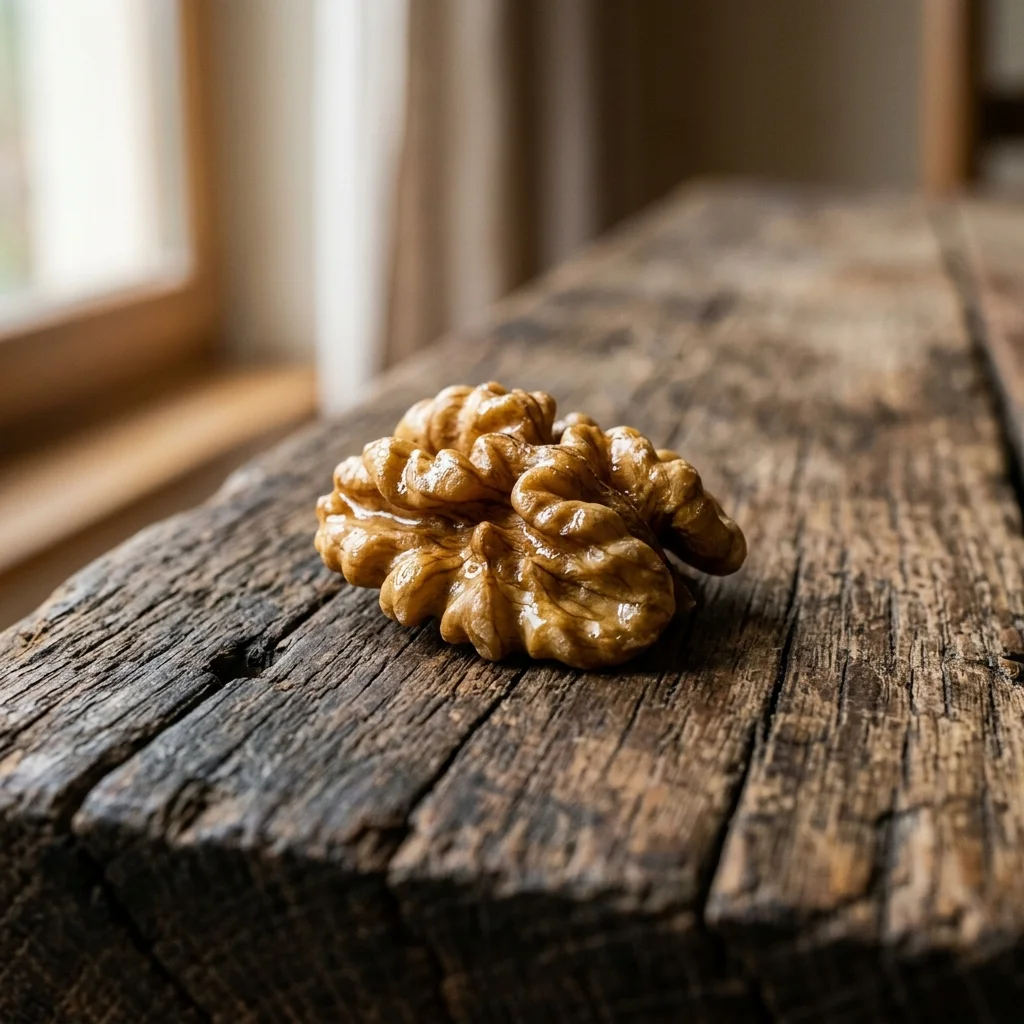
Nutrition Facts — per 100g
| Nutrient | Amount | % Daily Value |
|---|---|---|
| Calories | 654 kcal | 33% |
| Protein | 15.2g | 30% |
| Carbohydrates | 13.7g | 5% |
| Total Fat | 65.2g | 84% |
| Fiber | 6.7g | 24% |
| Sodium | 2.0mg | 0% |
Is Walnut Good for You?
Yes, walnut is an excellent nutritional powerhouse. It delivers 15.2g of protein (30% Daily Value), 6.7g of fiber (24% Daily Value), and healthy fats totaling 65.2g per 100g serving, making it is an ideal choice for heart health and sustained energy.
Key Health Benefits of Walnut
Rich in Plant-Based Protein — With 15.2g of protein per 100g, it is an outstanding option for vegetarians and vegans looking to meet their daily protein requirements without relying on animal products.
Supports Digestive Health — The 6.7g of fiber in walnut helps promote healthy digestion and may contribute to regular bowel function and improved gut microbiota.
Heart-Healthy Fat Profile — Though it is high in total fat at 65.2g per 100g, the majority comes from polyunsaturated and monounsaturated fats that research associates with cardiovascular benefits and cholesterol management.
Low in Sodium — Containing just 2mg of sodium per 100g, it is an excellent choice for people monitoring salt intake and managing blood pressure naturally.
Sustained Energy Source — The combination of protein, healthy fats, and carbohydrates (13.7g) makes walnut an ideal snack for maintaining stable blood sugar and avoiding energy crashes throughout the day.
How Does Walnut Compare?
Walnut stands out compared to almonds in its protein content and fat composition. While both are nutrient-dense, walnut delivers a comparable protein punch at 15.2g per 100g and it is particularly rich in omega-3 fatty acids, making it is a unique choice among tree nuts for those seeking additional anti-inflammatory benefits.
Frequently Asked Questions
How many calories are in walnut?
Walnut contains 654 calories per 100g, or roughly 185 calories per ounce (about 14 halves). It is a calorie-dense food due to its high fat content, so portion control is important if you’re tracking caloric intake.
Is walnut good for weight loss?
While walnut is calorie-dense, studies suggest it can support weight loss when consumed in moderation due to its high protein and fiber content, which promote satiety. It is best enjoyed as a measured snack—a small handful per day—rather than eaten freely.
How much fiber does walnut contain?
Walnut provides 6.7g of fiber per 100g serving, which represents 24% of your Daily Value. It is an excellent source of dietary fiber for supporting digestive health and regularity.
Is walnut suitable for a keto diet?
Yes, walnut is highly compatible with ketogenic diets. With only 13.7g of carbohydrates and 6.7g of fiber per 100g, it is provides just 7g of net carbs, making it an ideal low-carb snack option for maintaining ketosis.
How should I store walnut to keep it fresh?
Store walnut in an airtight container in a cool, dark place or refrigerator to prevent the natural oils from becoming rancid. It is best consumed within a few weeks of opening, though freezing extends shelf life to several months.
How to Track Walnut Nutrition with Gram
Logging walnut into the Gram app takes just seconds—simply snap a photo of your handful or weigh your portion, and our AI food scanner instantly identifies it and displays the complete nutrient breakdown. You’ll see exactly how much protein, fiber, and fat you’re consuming, making it is easy to stay aligned with your personal nutrition goals throughout the day.
Frequently Asked Questions
How many calories are in walnut?
Walnut contains 654 calories per 100g, or roughly 185 calories per ounce (about 14 halves). It is a calorie-dense food due to its high fat content, so portion control is important if you're tracking caloric intake.
Is walnut good for weight loss?
While walnut is calorie-dense, studies suggest it can support weight loss when consumed in moderation due to its high protein and fiber content, which promote satiety. It is best enjoyed as a measured snack—a small handful per day—rather than eaten freely.
How much fiber does walnut contain?
Walnut provides 6.7g of fiber per 100g serving, which represents 24% of your Daily Value. It is an excellent source of dietary fiber for supporting digestive health and regularity.
Is walnut suitable for a keto diet?
Yes, walnut is highly compatible with ketogenic diets. With only 13.7g of carbohydrates and 6.7g of fiber per 100g, it is provides just 7g of net carbs, making it an ideal low-carb snack option for maintaining ketosis.
How should I store walnut to keep it fresh?
Store walnut in an airtight container in a cool, dark place or refrigerator to prevent the natural oils from becoming rancid. It is best consumed within a few weeks of opening, though freezing extends shelf life to several months.

Track your nutrition with Gram
Snap a photo of your meal and let AI do the rest. Track calories, macros, and micronutrients effortlessly.
Nutrition data sourced from USDA FoodData Central. Track walnut and thousands of other foods with the Gram app.